
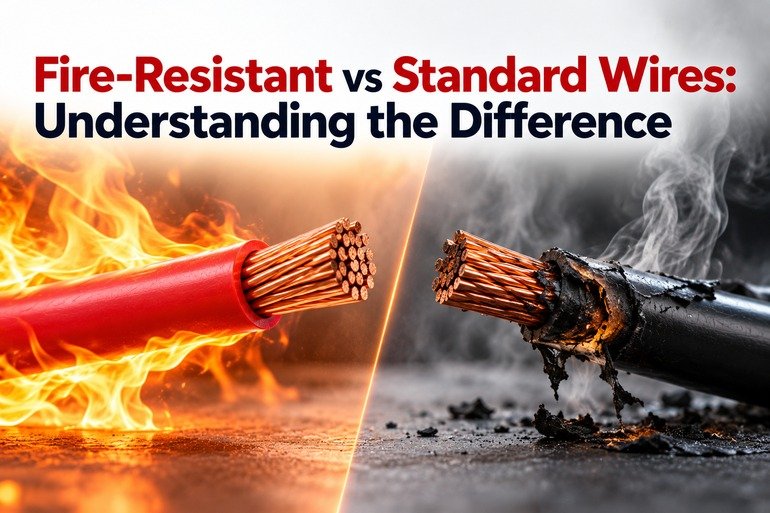
Fire-Resistant vs Standard Wires: Understanding the Difference
Choosing the right electrical wires is essential for the safety and reliable operation of any building. While standard wires are commonly used in residential and commercial electrical installations, fire-resistant wires are designed to perform under specific fire conditions. Understanding the difference between fire-resistant vs standard wires helps homeowners, builders, electricians, and facility managers make informed decisions. The choice depends on the building’s purpose, electrical requirements, applicable safety regulations, and the level of protection needed during an emergency. Fire-resistant cables can be particularly important in critical systems where continued power supply is necessary for evacuation and emergency response. Empire Cables recognises the importance of selecting suitable wiring solutions for different applications. This guide explains how these wires differ in construction, performance, applications, and safety considerations.
What Are Standard Electrical Wires?
Standard electrical wires are designed to carry electrical current under their specified operating conditions. They generally consist of a copper or aluminium conductor surrounded by suitable insulation, depending on the intended application.
These wires are widely used in homes, offices, shops, and other buildings for lighting, fans, sockets, and electrical appliances. Their performance depends on conductor size, insulation material, current rating, installation conditions, and compliance with relevant standards.
Common applications include:
- Residential lighting and power circuits.
- Office equipment and general electrical distribution.
- Commercial installations with appropriate protection.
- Connections to electrical appliances and equipment.
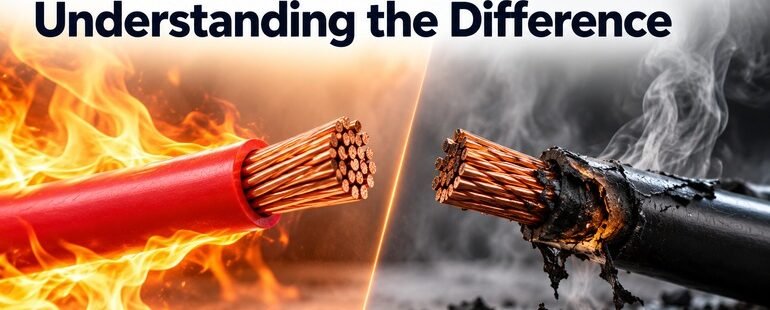
Standard wires are suitable for many everyday applications, but their insulation and overall construction may not be designed to maintain circuit integrity during a fire.
What Are Fire-Resistant Wires?
Fire-resistant wires and cables are designed to maintain their intended electrical function for a specified period under defined fire-test conditions. They are used where continued power supply is important for safety and emergency operations.
Depending on their design, these cables may incorporate specialised insulation, fire-resistant layers, or other protective materials. Their performance must be verified against the relevant product standards and testing requirements.
Typical applications include:
- Emergency lighting and evacuation systems.
- Fire alarm and detection circuits.
- Emergency communication equipment.
- Essential safety systems in commercial buildings, hospitals, and industrial facilities.
The exact suitability of a cable depends on its certification, fire rating, circuit requirements, and installation method.
Fire-Resistant vs Standard Wires: Key Differences
Understanding the main differences helps you select the appropriate wiring solution for your project.
Feature | Standard Wires | Fire-Resistant Wires |
Primary purpose | General electrical distribution | Maintaining circuit function during specified fire conditions |
Construction | Conventional conductor and insulation | May include specialised fire-resistant materials and layers |
Fire performance | Depends on insulation and product design | Tested for defined fire-resistance requirements |
Typical use | Lighting, sockets, and appliances | Emergency and essential safety circuits |
Cost | Generally more economical | May cost more due to specialised construction and testing |
Selection criteria | Load, voltage, and installation conditions | Fire performance, circuit requirements, and applicable standards |
Important: Fire-resistant and flame-retardant are not interchangeable terms. Flame-retardant cables are designed to limit the spread of fire under specified test conditions, whereas fire-resistant cables are intended to maintain circuit operation for a defined period during fire exposure.
How to Choose the Right Electrical Wires
Selecting wires requires more than comparing prices. Consider the following factors before purchasing:
1. Check Electrical Requirements
Determine the required voltage rating, current-carrying capacity, conductor material, and cable size. Incorrect sizing can lead to overheating and electrical hazards.
2. Understand Fire Safety Needs
Identify circuits that must continue operating during a fire, such as emergency lighting, fire alarms, and essential communication systems. Select cables that meet the relevant requirements for these applications.
3. Verify Standards and Certifications
Check applicable BIS or other relevant certifications, product specifications, and test reports. Ensure that the selected wire meets the requirements for its intended installation.
4. Consider Installation Conditions
Temperature, moisture, mechanical stress, cable routing, and installation methods can influence cable performance. Proper installation and compatible protective devices are essential for electrical safety.
Why Quality Matters When Selecting Electrical Cables
Poor-quality electrical wiring can increase the risk of overheating, insulation failure, and short circuits. Choosing products with suitable ratings and verified compliance helps support a safer electrical installation.
Empire Cables encourages buyers to evaluate cable specifications carefully and select products according to their actual application. Consult a qualified electrician or electrical engineer when planning wiring for homes, commercial properties, industrial facilities, or critical safety systems.
Remember that even fire-resistant cables cannot make an installation completely fireproof. Correct circuit design, suitable protection, proper installation, and routine inspection remain necessary.
Conclusion
The difference between fire-resistant vs standard wires lies primarily in their intended performance during fire exposure and their suitability for different electrical applications. Standard wires serve everyday power distribution needs, while appropriately tested fire-resistant cables help maintain essential circuits under specified fire conditions. The right selection depends on safety requirements, electrical loads, applicable standards, and installation conditions. Empire Cables recommends prioritising verified product quality and professional guidance when choosing electrical wiring for any project.
Need help choosing suitable electrical wires? Contact Empire Cables to discuss your application and identify wiring solutions that meet your project’s electrical and safety requirements.
Frequently Asked Questions
1. What is the main difference between fire-resistant and standard wires?
Standard wires are primarily intended for everyday electrical distribution, whereas fire-resistant cables are designed to maintain circuit function for a specified period under defined fire-test conditions.
2. Are fire-resistant wires necessary for homes?
Their necessity depends on local regulations, building design, and circuit requirements. They may be required or recommended for particular safety systems, so consult a qualified electrical professional before making a selection.
3. Are fire-resistant and flame-retardant wires the same?
No. Flame-retardant cables are designed to limit fire spread, while fire-resistant cables are intended to maintain electrical circuit integrity for a specified period under defined fire conditions.
4. Where are fire-resistant cables commonly used?
They are commonly used in emergency lighting, fire alarm circuits, emergency communication systems, and other essential services where continued electrical operation during a fire is required.
5. How can I choose quality electrical wires?
Check conductor size, insulation type, voltage and current ratings, relevant certifications, and suitability for the installation environment. Purchase from a reliable supplier and seek professional advice when needed.