

What Makes LEDs Flicker or Fail Early? Hidden Electrical Factors Inside Your Home
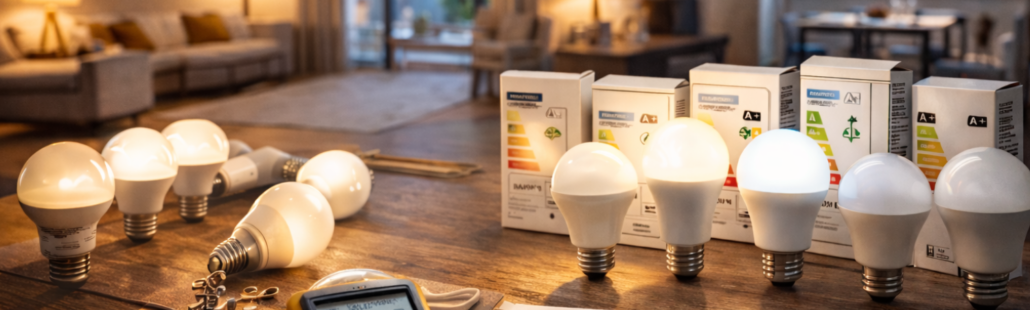
LEDs are characterised by long life, low power consumption and constant brightness. However, flickering lights, dimming or failure of the bulbs much sooner than anticipated is a problem to many homeowners. This can be a very basic issue of a bulb, but there is a lot more to it actually, in your electrical system at home. These are some of the concealed factors, which can be understood to prevent premature failure of LED and ensure safer more reliable lighting.
1. Voltage Fluctuations: The Single Most Usual Cause
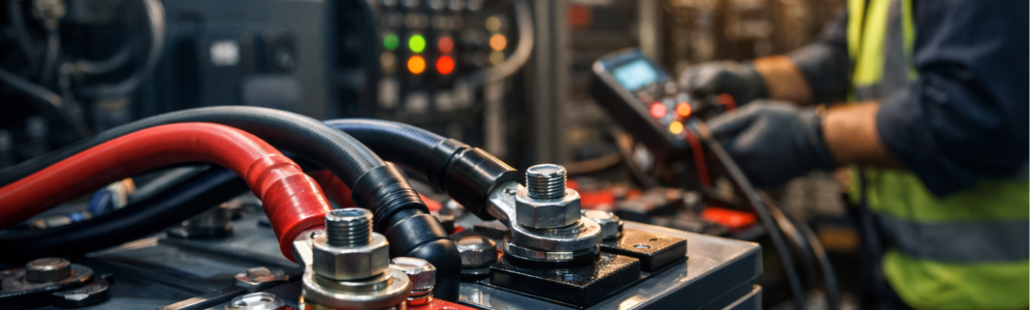
LEDs respond to fluctuation in voltage. In cases where your home does not supply consistent voltage such as spike voltage or drops, then the LED driver (the device that controls power flow within the bulb) starts to work hard. This in the long run destroys the bulb and leads to visible flickering.
Normal causes of voltage fluctuation are:
- Overloaded circuits
- Faulty wiring
- Bad appearing switches or connectors.
- Numerous high-power appliances switching on at the same time.
- The voltage needs to be kept constant in order to avoid early burning of the LED drivers.
2. Free or Relaxing Wiring Connections
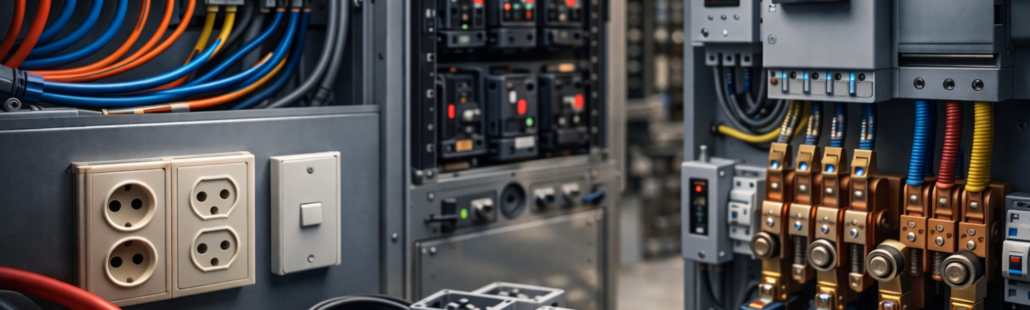
One of the largest hidden causes of flickering of LED is a loose neutral wire or a worn-out electrical connection. Any small disruption in the connection will disrupt the current flow and the bulb will start blinking.
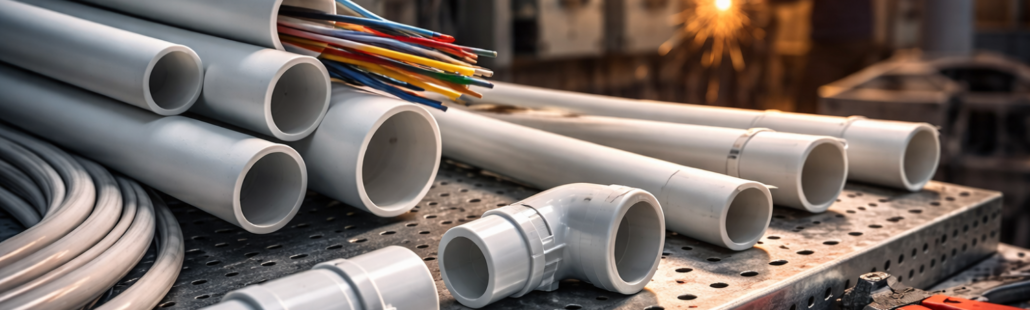
These problems are common in homes that are more than 15-20 years old because of the insulation of wiring being worn out or due to oxidation of joints. Such issues can be avoided by using a high quality multi strand electrical wire since the flexible conductors are more stable and can perform better under load changes.
3. An incompatible Dimmer and Switches
Still many of the households have the older dimmers that were used with incandescent bulbs. These dimmers operate based on the reduction of a portion of the electrical waveform, something that LEDs are not designed to operate. Outdated dimmers, used together with LED lighting lead to:
- Noises
- Shining and shimmering in the dimness.
- Sudden shut-offs
Never forget to look at the dimmer rating that it supports LEDs. A matching dimmer will provide a better flow of current and stop untimely damage of the LED driver.
4. Overheating of the Interior of Fixtures
LEDs are not widely heated as compared to traditional bulbs, and they require appropriate ventilation. When mounted in tight fittings, false ceilings, recesses and other locations where there is no air movement, the heat gathers around the LED driver. This reduces its lifespan by a large margin.
Investigations into the industry confirm that nearly a third and a half of the early failures of LEDs are caused due to excess heat. Open fixtures or LEDs that are meant to be used in closed places are also a way to ensure long life.
5. Low-Quality Electric Power and Spikes
The LED driver will be overloaded by unstable power grids, frequent surges or improper distribution of loads in the wiring system in your house. LEDs can be easily ruined by a shower of sparks produced during storms or by defective domestic appliances.
Surge protectors and high-quality wiring are used to ensure a consistent electrical route to ensure lighting devices do not become stressed.
Conclusion
Failure of LED is not necessarily because of the bulb. Flickering, early burnout or dimming are most problems, which are caused by some unknown electrical factors within the house. To homes and businesses that may be interested in providing quality and dependable electrical performance, the selection of quality wiring by reputable manufacturers of electrical wire has a significant role to play. Empire Cables, being among the reliable brands in this industry, still promotes safer light and higher efficiency of electrical systems in India.