

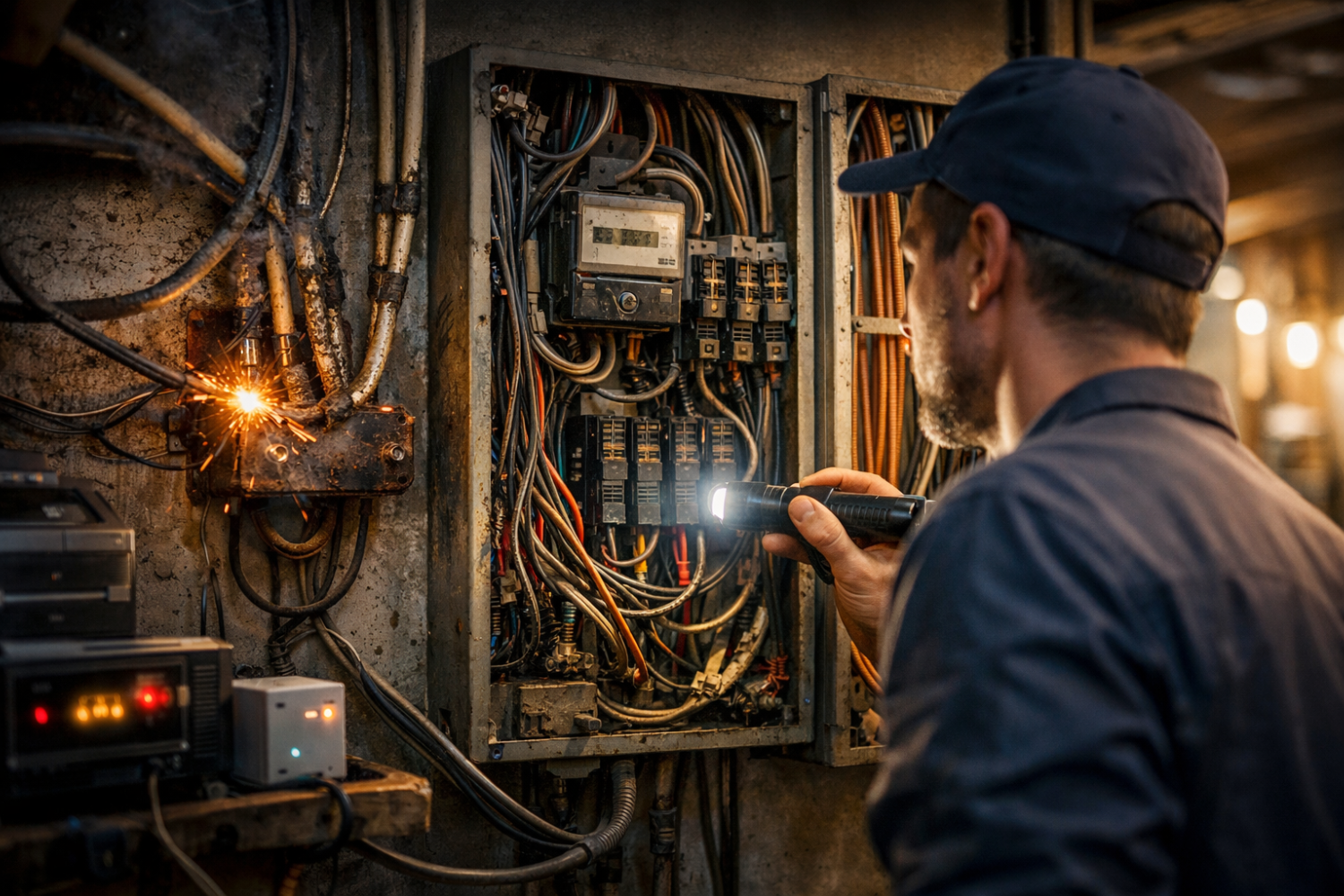
What Makes Certain Homes Consume More Power for the Same Appliances? The Hidden Electrical Inefficiencies
Have you ever questioned yourself why two houses with the same appliances may have hugely different electricity bills? Although it can be an issue on what is used and how, a large portion of the variation stems from unseen electrical waste within the house. Such problems usually remain unseen but may greatly lead to power wastage in the long run.
1. Old or Poor-Quality Wiring
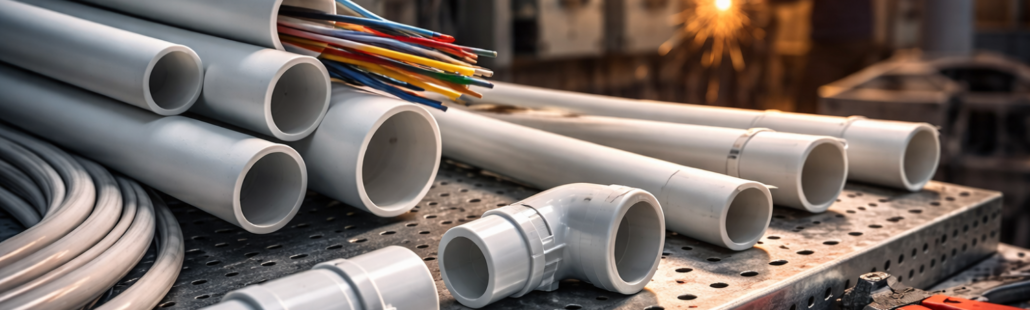
Old-fashioned or poor-quality wiring is one of the largest causes of an unnecessary power consumption. Old and loosely connected wires as well as those made of poor materials generate electrical resistance. Increased resistance implies that the appliances will require increased power to operate, irrespective of being energy efficient.
Otherwise, homes that have multi strand electrical wire or high grade copper wiring will tend to incur lower losses due to their ability to accommodate load and save on heating. Conversely, improper wiring may equally lead to voltage drops and therefore, the appliances may take more time or perform more labor.
2. Load imbalance and Voltage Fluctuation
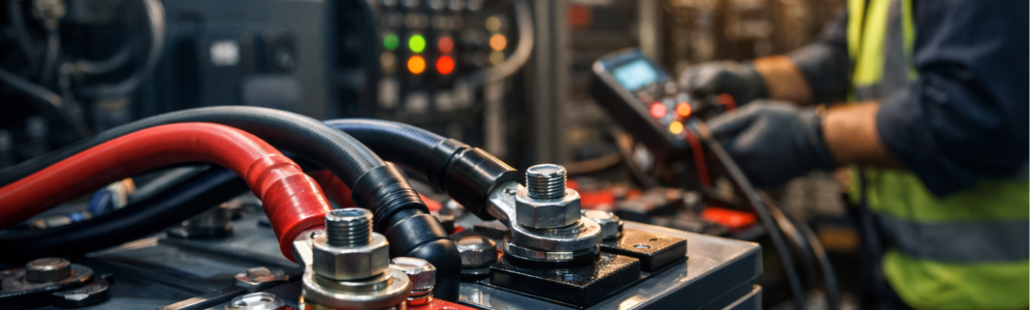
Where there are high voltage fluctuations in a home, such appliances as refrigerators, ACs, and motors use additional energy to stabilise themselves. Power wastage is also caused by load imbalance where there are too many devices using the same phase.
The stable electric system will provide the smooth flow of voltages and avert the concealed wastage that is ignored by the householders.
3. Unproductive Electrical Planning
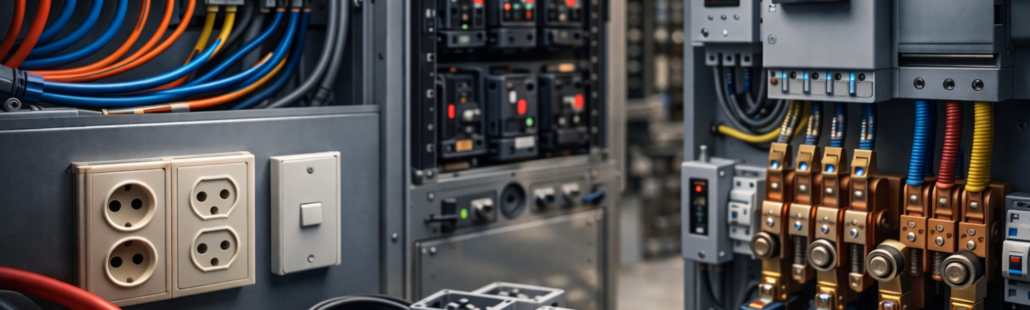
In some cases, the wiring layout is not efficient. Long resistors, extraneous joints and bad circuit planning result in more resistance. This loss of power per additional metre of cable is insignificant, but when cumulative over the whole home, the losses will be a significant part of the monthly bill.
Homes with superior electrical design and correct separation of the circuits (lights, heavy appliances and sockets) are much more efficient.
4. Unannounced Standby Power Consumption
The effects of standby mode are not realised in many households. The routers, televisions, chargers, and smart home devices are the devices that consume power even when idle. Research indicates that standby power may be 5-10 percent of total household electricity consumption. Although this applies to all houses, it is more in those whose the wiring system is old and the resistance increases the standby wastage.
5. The bad Earthing and Overloads
Poor earthing leads to inefficient running of appliances thus, consuming additional current. Likewise, too many wires on a circuit result in circuits overheating and losing power before it could supply the device.
Electrical design is done in such a way that it provides safe grounding and balanced distribution, which indirectly leads to the minimization of power wastage.
Conclusion
The same appliances can be used in two houses but their electric bills are different due to invisible electrical inefficiencies- old wires, poor circuit design, unstable voltage and standby power. These problems are not only solved with the help of using less power, which helps to save money, but also makes appliances safer and prolongs their life.
Quality cables must be selected by households and buildings looking to have their wiring systems that are both safe and efficient. Empire cables being a reputable manufacturer of electrical wires in India emphasizes on the need to have good wiring systems that minimize the unseen power losses and enhance the longevity of electrical performance.