
How LED Bulbs and Flood Lights Improve Energy Efficiency
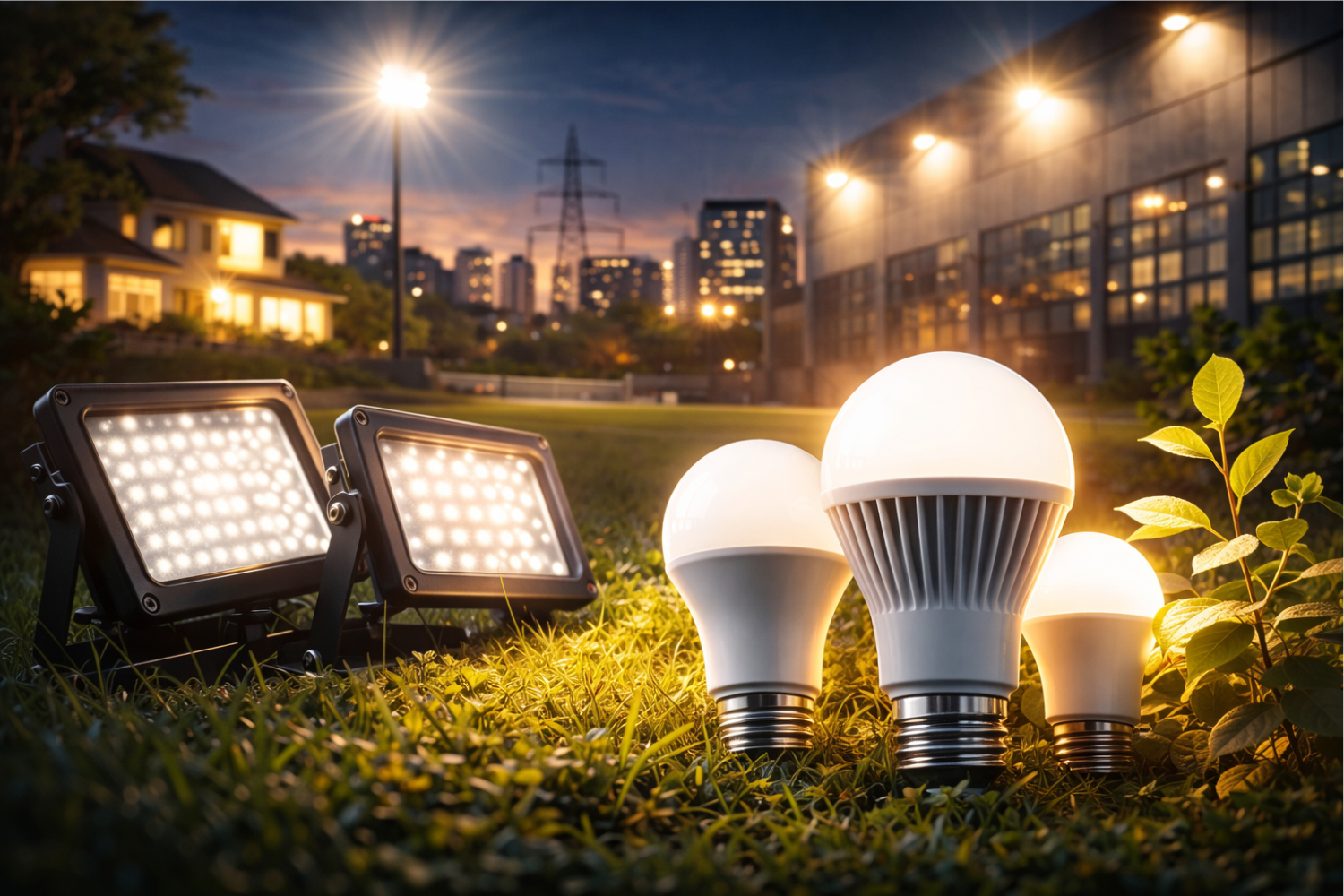
Conservation of energy has turned out to be a realistic requirement and not a mere political decision. As the cost of electricity increases, as well as the need to have dependable light, a number of households, offices and the open spaces are shifting to an LED-based solution. Flood lights and LED bulbs are very popular these days as they provide high intensity and use much less power as compared to the conventional lighting.
Learning Lighting Energy Efficiency
Energy efficiency of lighting is a concept that is used to position the generation of light in relation to the minimum amount of electricity consumed. This is quantified a lot of times in lumens per watt. Elderly incandescent bulbs do not produce light, but rather heat with the majority of their energy. On the other hand, LED technology aims at direct conversion of electrical energy to visible light and this causes a lot less wastage and better performance.
The mechanism by which LED Bulbs save on power
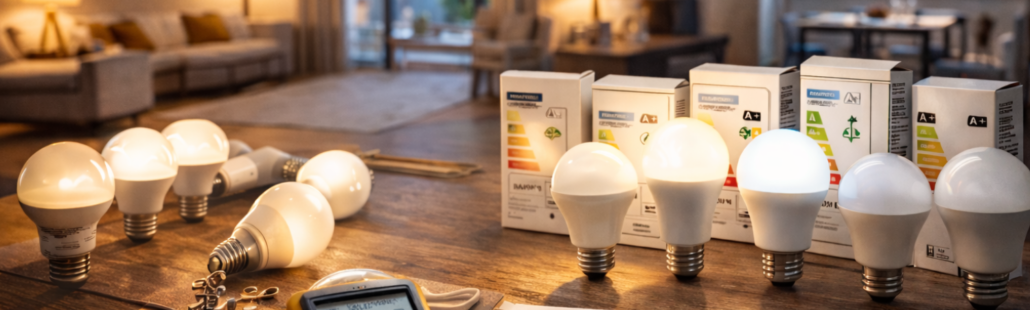
The design of LED bulbs is to consume up to 75-80 percent of the amount of electricity used by incandescent bulbs and approximately 40-50 percent of the amount used by CFLs. A conventional 9 watt LED bulb has the capability to deliver the same brightness as a 60 watt incandescent bulb. This is efficient and thus lowers lighting bills without affecting quality.
The other significant benefit is lifespan. LED bulbs may be used up to 20,000 to 50,000 hours, which were about 1,000 hours in incandescent bulbs. Reduced replacements will lead to reduced maintenance and a reduced material waste in the long term. The longevity is also a contributing factor to making LED technology an option of choice in terms of a lighting solution combining performance and sustainability.
Advantages of LED Flood Lights
The flood lights are usually applied in the outdoor locations like parking lots, facade of the buildings, stadium and industrial regions. Floodlights that are used in a traditional manner consume a lot of power considering their high wattage. However, LED flood lights have the same or better brightness and consume much less energy.
The current LED flood lights are able to conserve up to 60 percent energy as opposed to the metal halide and halogen flood lights. They also offer instant brightness without warming up and unreliable output of light even in extended durations. In the case of large outdoor installation, the selection of products of a reputable manufacturer of flood lights may lead to quantifiable energy savings over time.
Less Heat and Improved Lighting Control
Heat generation is one of the factors that are usually ignored in energy efficiency. LEDs dissipate minimal heat as compared to conventional lights, minimising energy wastage and enhancing safety. Reduced cooling expenses can also be achieved through lower heat emission in indoor environments.
LED products enable superior manipulation, having dimming, motion sensors, and intelligent applications. These are qualities that make sure lights are not used when they are not necessary, which makes the use of unnecessary energy even more.
An Environmentally Friendly Lighting Option
LEDs can be used in homes and in highways to promote long term energy efficiency. They consume less power, have increased lifespan, and are flexible, which makes them a perfect solution in the contemporary lighting requirements.
Conclusion
Efficient lighting technologies should be adopted as the energy requirements increase. The LED bulbs and flood lights provide an intelligent trade-off between the light intensity, longevity and energy conservativeness. This paradigm of efficient lighting is in line with responsible development of infrastructures that are helped by companies such as Empire Cables that aid in reliable electrical systems which assist modern lighting systems to work safely and efficiently.