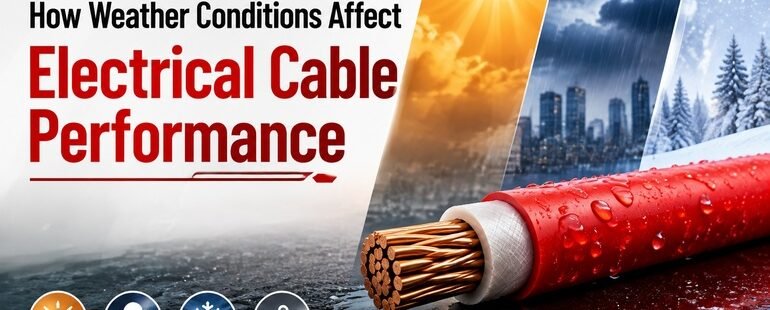

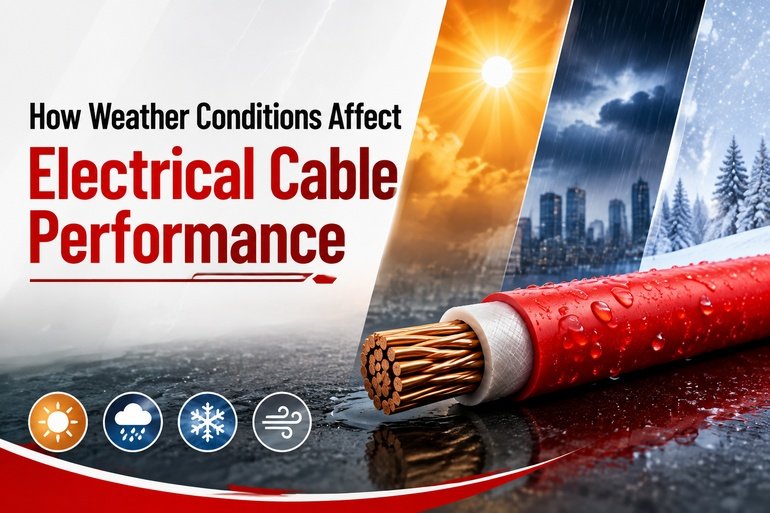
How Weather Conditions Affect Electrical Cable Performance
Weather plays a major role in the performance and lifespan of electrical cables. Whether cables are installed indoors, underground, or outdoors, they are constantly exposed to environmental conditions that can affect their efficiency and durability. Understanding how different weather conditions influence cable performance helps homeowners, industries, contractors, and engineers choose the right cable for every application. Proper cable selection not only improves safety but also reduces maintenance costs and ensures uninterrupted power transmission. From scorching summer temperatures to heavy rainfall and freezing winters, every climate presents unique challenges that electrical systems must withstand.
Why Weather Matters for Electrical Cables
Electrical cables are designed to carry power safely, but extreme weather conditions can weaken insulation, reduce conductivity, and shorten their service life. High-quality cables are manufactured with materials that resist environmental stress, making them suitable for long-term use in different climates.
Choosing cables based only on price without considering weather conditions can lead to frequent failures, unexpected downtime, and expensive repairs.
How Different Weather Conditions Affect Electrical Cable Performance
1. High Temperatures
Excessive heat is one of the biggest threats to electrical cables.
High temperatures can:
- Soften cable insulation
- Increase electrical resistance
- Reduce current-carrying capacity
- Speed up insulation ageing
Industrial plants, rooftops, and open construction sites often experience high temperatures that require heat-resistant cable insulation.
2. Heavy Rain and Moisture
Moisture can enter damaged cable jackets and affect insulation performance.
Possible issues include:
- Short circuits
- Insulation breakdown
- Corrosion of metallic conductors
- Reduced operational reliability
Using moisture-resistant cables and proper sealing techniques helps protect electrical systems during monsoon seasons.
3. Extreme Cold
Very low temperatures make some insulation materials hard and brittle.
This can result in:
- Cracks in insulation
- Reduced flexibility
- Difficult cable installation
- Increased risk of mechanical damage
Cold-resistant cable materials remain flexible even in freezing weather, making installation and maintenance much easier.
4. Sunlight and UV Exposure
Outdoor cables remain exposed to sunlight throughout the year.
Continuous ultraviolet (UV) radiation may cause:
- Surface cracks
- Colour fading
- Loss of insulation strength
- Reduced cable lifespan
UV-resistant cable jackets provide better protection in outdoor installations.
5. Humidity
High humidity levels increase the possibility of condensation inside electrical systems, especially in poorly sealed installations.
Proper insulation and moisture barriers help prevent corrosion and maintain stable electrical performance.
6. Strong Winds and Storms
Storms can place mechanical stress on overhead electrical cables.
Common risks include:
- Physical damage
- Loose cable connections
- Falling tree branches
- Increased maintenance requirements
Strong cable supports and proper installation reduce these risks significantly.
Choosing the Right Cable for Different Weather Conditions
When selecting electrical cables, consider the following factors:
Weather Condition | Recommended Cable Feature |
High heat | Heat-resistant insulation |
Heavy rainfall | Water-resistant outer sheath |
Cold climates | Flexible low-temperature insulation |
Outdoor sunlight | UV-resistant jacket |
Humid environments | Moisture-resistant construction |
Industrial areas | Chemical and abrasion resistance |
Selecting cables according to the installation environment improves reliability and reduces long-term maintenance costs.
Best Practices to Improve Cable Performance
To ensure electrical cables perform efficiently throughout changing weather conditions:
- Choose cables certified for the intended environment.
- Inspect cables regularly for visible damage.
- Replace damaged insulation immediately.
- Avoid cable overloading.
- Use proper cable routing and protective conduits.
- Follow manufacturer installation guidelines.
- Schedule preventive maintenance for outdoor installations.
These simple practices help maximize cable lifespan while maintaining electrical safety.
Conclusion
Weather conditions have a direct impact on electrical cable performance, affecting safety, efficiency, and durability. Heat, rain, humidity, cold temperatures, UV exposure, and storms all present different challenges that must be considered during cable selection and installation. Investing in quality cables designed for specific environmental conditions helps reduce failures, improve system reliability, and lower maintenance costs. Empire Cables offers a wide range of electrical cables manufactured to deliver dependable performance across diverse weather conditions, helping customers build safer and more reliable electrical systems.
FAQs
1. How does hot weather affect electrical cables?
High temperatures increase electrical resistance, accelerate insulation ageing, reduce current-carrying capacity, and may shorten the overall lifespan of electrical cables if they are not designed for heat resistance.
2. Can rain damage electrical cables?
Yes. Water can enter damaged cable insulation, leading to corrosion, insulation failure, short circuits, and reduced electrical performance. Properly sealed, water-resistant cables minimize these risks.
3. Why are UV-resistant cables important?
UV-resistant cables protect the insulation from sunlight damage, preventing cracks, fading, and deterioration. They are ideal for outdoor installations exposed to direct sunlight throughout the year.
4. What type of cable is suitable for cold climates?
Cables with low-temperature flexible insulation are best for cold environments because they remain flexible, resist cracking, and are easier to install during freezing weather.
5. How can weather-related cable damage be prevented?
Regular inspections, selecting weather-appropriate cables, using protective conduits, preventing overloading, and following proper installation practices help protect electrical cables from environmental damage.