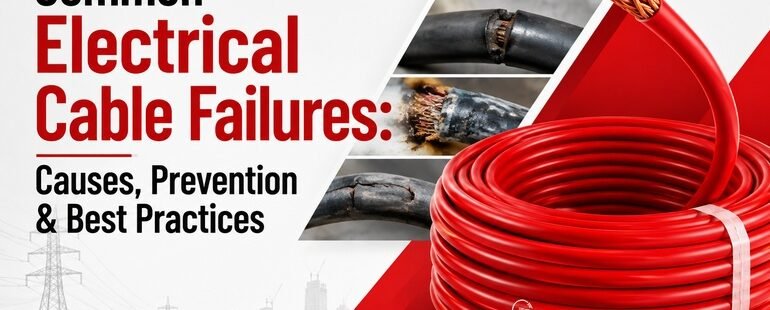


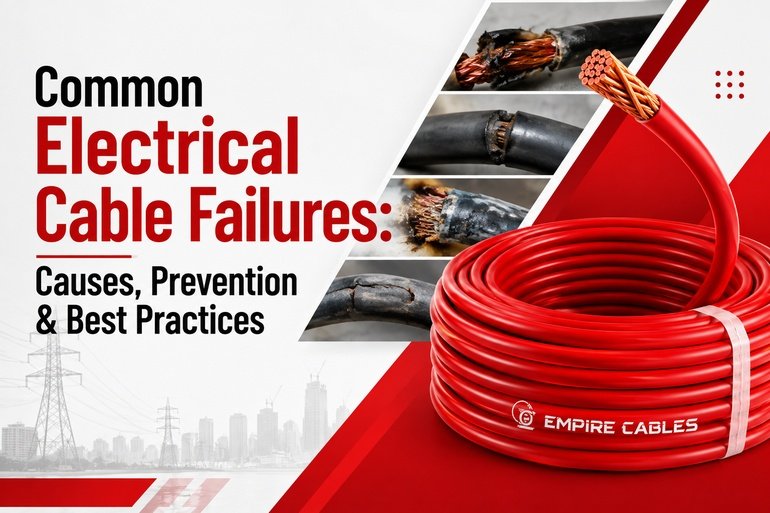
Common Electrical Cable Failures: Causes, Prevention & Best Practices
Electrical cables are the backbone of every electrical system, whether in homes, offices, factories, or commercial buildings. When cables fail, they can interrupt operations, damage expensive equipment, and even create serious safety hazards such as electrical fires or electric shocks. Understanding the reasons behind common electrical cable failures helps homeowners, electricians, and businesses prevent costly repairs and improve system reliability. By choosing quality cables, following proper installation methods, and performing regular maintenance, many electrical issues can be avoided before they become major problems.
Why Do Electrical Cables Fail?
Electrical cable failures rarely happen without a reason. Most problems develop gradually due to environmental conditions, improper handling, or excessive electrical load. Identifying these causes early helps improve safety and extends the life of the electrical system.
1. Overloading
Every cable has a maximum current-carrying capacity. When electrical equipment draws more current than the cable is designed to handle, excessive heat is generated. Continuous overloading weakens insulation and eventually damages the conductor.
2. Poor Installation
Improper installation is one of the leading causes of cable failure. Sharp bends, loose connections, incorrect cable sizing, or inadequate support increase stress on cables and reduce their lifespan.
3. Damaged Insulation
Cable insulation protects conductors from moisture, dust, and accidental contact. Heat, sunlight, chemicals, rodents, or physical damage can weaken insulation, increasing the risk of short circuits and electric leakage.
4. Moisture and Water Exposure
Water entering cable joints or damaged insulation can lead to corrosion, insulation breakdown, and electrical faults. Outdoor installations are particularly vulnerable if proper protection is not provided.
5. Mechanical Damage
Construction work, heavy machinery, accidental drilling, or excessive pulling during installation can damage cables internally or externally, even if the outer covering appears intact.
6. Aging and Wear
Like every electrical component, cables have a service life. Over time, insulation naturally deteriorates due to temperature changes, continuous electrical load, and environmental exposure.
Warning Signs of Cable Failure
Watch for these common indicators before a complete failure occurs:
Warning Sign | Possible Cause |
Frequent circuit trips | Overloading or short circuit |
Burning smell | Overheated insulation |
Flickering lights | Loose or damaged cable connections |
Visible cracks | Aging insulation |
Warm cable surface | Excessive electrical load |
Best Practices to Prevent Electrical Cable Failures
Preventive maintenance is far more affordable than emergency repairs. Following a few best practices can significantly improve electrical safety.
Choose High-Quality Cables
Always purchase cables that comply with recognized safety standards and are suitable for the intended application.
Install Correct Cable Sizes
Selecting the correct cable size ensures efficient current flow while preventing overheating.
Avoid Overloading Circuits
Distribute electrical loads properly across circuits instead of connecting multiple high-power appliances to a single cable.
Perform Regular Inspections
Routine inspections help detect damaged insulation, loose terminals, corrosion, or overheating before they develop into serious failures.
Protect Cables from Physical Damage
Use conduits, cable trays, or protective coverings in areas exposed to movement, machinery, or construction activity.
Keep Moisture Away
Seal cable joints properly and use waterproof accessories where cables are installed outdoors or in damp environments.
Hire Qualified Professionals
Professional installation and maintenance reduce the chances of wiring mistakes that may cause future cable failures.
Why Cable Quality Matters
High-quality electrical cables provide better insulation, improved conductivity, enhanced durability, and greater resistance to environmental conditions. Investing in reliable cables reduces maintenance costs, improves safety, and ensures long-term performance for residential, commercial, and industrial applications.
Conclusion
Understanding common electrical cable failures allows users to identify potential risks before they become expensive or dangerous problems. Overloading, poor installation, damaged insulation, moisture, and aging remain the most common reasons behind cable failure. Following proper installation practices, choosing quality materials, and carrying out regular inspections can significantly improve electrical system reliability and safety. For dependable electrical cable solutions that prioritize quality, durability, and performance, Empire Cables offers products designed to meet modern electrical requirements across residential, commercial, and industrial applications.
FAQs
1. What is the most common cause of electrical cable failure?
Overloading is one of the most common causes of electrical cable failure. Excess current generates heat, damages insulation, and eventually leads to short circuits or complete cable failure.
2. How can I prevent electrical cable damage?
Use quality cables, install the correct cable size, avoid overloading circuits, inspect wiring regularly, and protect cables from moisture and physical damage.
3. How long do electrical cables usually last?
Most electrical cables can last several decades when properly installed and maintained. Their lifespan depends on load conditions, environmental exposure, and cable quality.
4. Why is damaged cable insulation dangerous?
Damaged insulation exposes conductors, increasing the risk of electric shock, short circuits, equipment damage, and electrical fires.
5. When should electrical cables be replaced?
Replace cables if they show cracked insulation, overheating, corrosion, repeated electrical faults, or have reached the end of their recommended service life.