
How Electrical Wires Are Manufactured: Materials, Process, and Quality Checks
The primary yet essential element of contemporary existence is electrical wires. Safe flow of electricity at homes, offices, factories and even infrastructural projects is based on the quality of wires. Knowing the process of making electrical wires would clarify the importance of quality, material and testing in electrical systems.
Electrical Wires Raw Materials
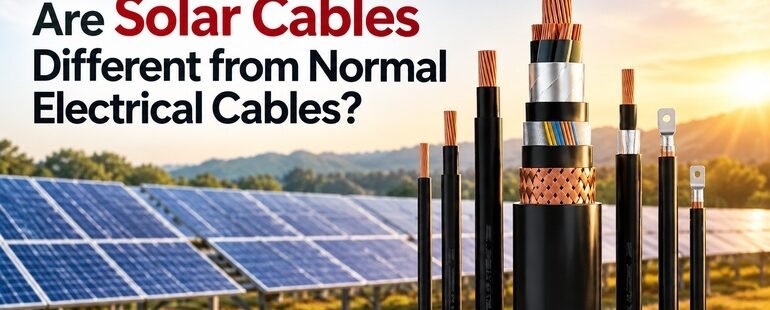
Most electric transportation wires contain metal (usually copper or aluminium) as the central part. Copper is very popular due to its good electrical conductivity, flexibility and long term serviceability. Aluminium is also light and it is commonly used in larger power uses where weight and cost are critical.
Insulation materials are covered around the metal conductor. Usual insulation materials are PVC, XLPE and rubber compounds. These materials guard the users against electric shock, short circuiting and enable them to work safely under heat, water and mechanical load. The life and safety of a wire is dependent on the quality of insulation.
Sequential Process of Manufacturing
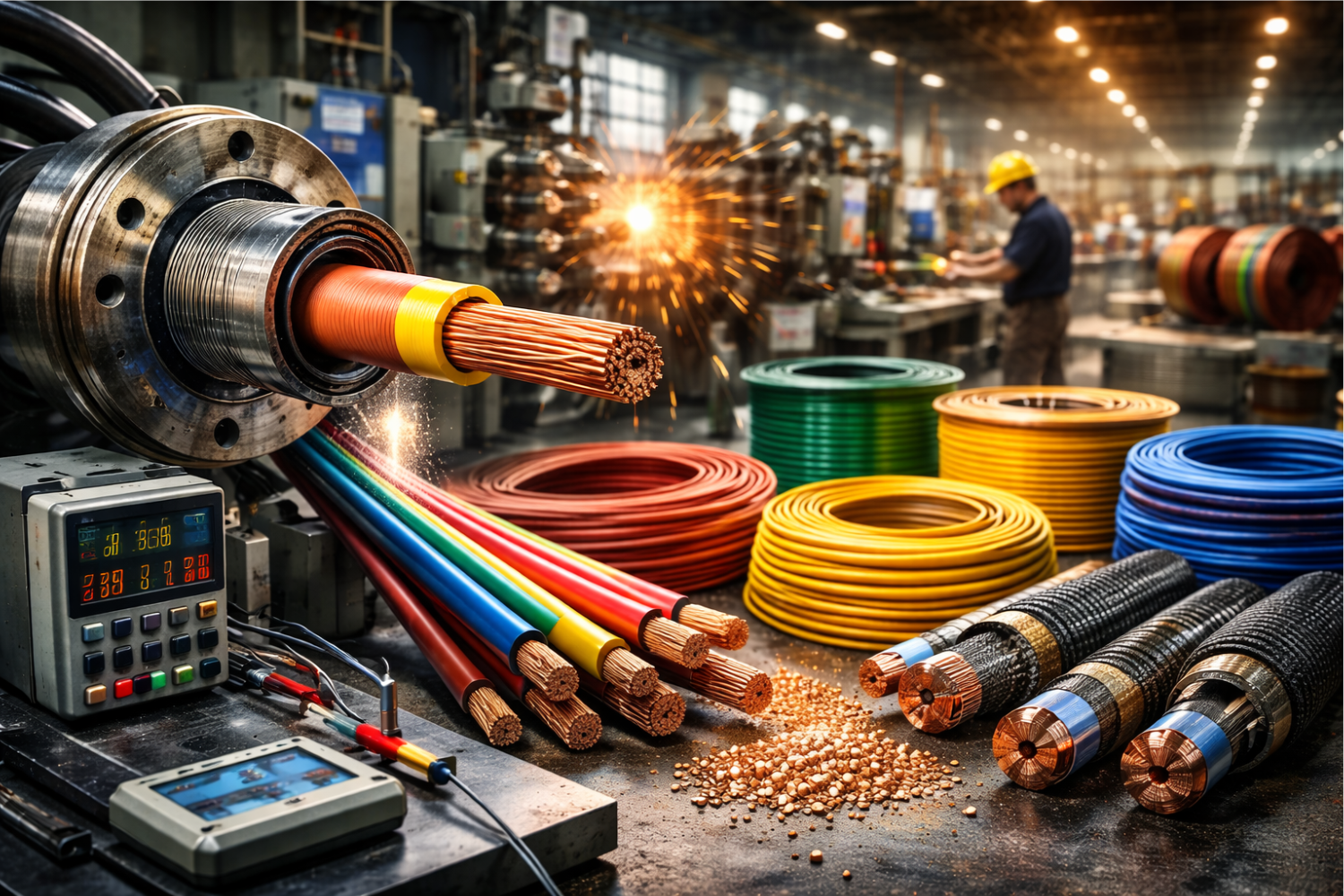
The production begins with wire drawing. The heavy metal bars are dragged in a series of dies to thin them down to fine wires of desired diameters. The step provides uniform thickness a requirement needed to achieve consistent electrical performance.
This is followed by stranding in which a number of thin wires are intertwined to create a multi strand electrical wire. Stranded wires are more flexible and durable as compared to single core wires making them useful in everyday use.
The process of insulation comes after stranding. The conductor is taken through extrusion machines in which melted insulation material is applied to it uniformly. This coating is then solidified and cooled in order to create a protection layer.
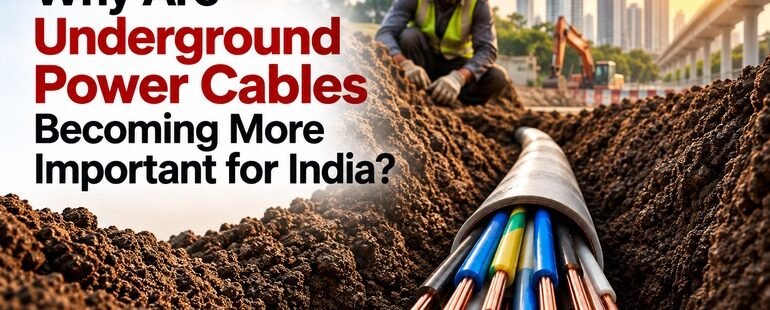
There are other wires that undergo further process like sheathing or armouring and this is more so in situations whereby the cables require further protection against underground or industrial purposes. The steps are used to enhance the resistance to high physical damage, chemicals and environmental conditions.
Quality Inspections and Safety Tests
One of the most significant phases in the manufacturing of the wire is quality control. Each lot of goods is tested in order to be safe and perform well. Electrical tests are used to determine the conductivity and resistance of current flow as a confirmation. The insulation resistance tests are tests that are conducted to ascertain whether the insulation can resist voltage without leakage.
Mechanical tests are done to test strength, flexibility and durability. Heat and flame tests are aimed at testifying to insulation that it does not melt or catch fire under strong temperatures. Another common practice by many manufacturers is adherence to national and international standards to promote compliance of wires to safety measures.
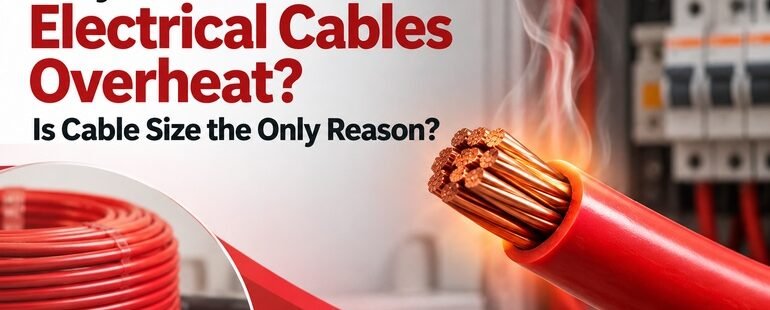
These checks are important since the slightest malfunction is likely to result in power failure, overheating, or severe safety consequences.
Conclusion
Electrical wire production involves a blend of high engineering, materials as well as rigorous test requirements to guarantee security and dependability. Since the choice of copper conductors is needed, as well as final quality assurance, all these actions are crucial in the functionality of wires in the real life. Knowledge of this process will make users understand why it is important to get the wires sourced by reputable electrical wire producers in India.
Empires Cables adheres to the following basic manufacturing principles and quality practices in a way that the electrical wires can stand safety standards and operate effectively in various applications.