
How Weather Conditions Affect Electrical Cable Performance and Lifespan in India
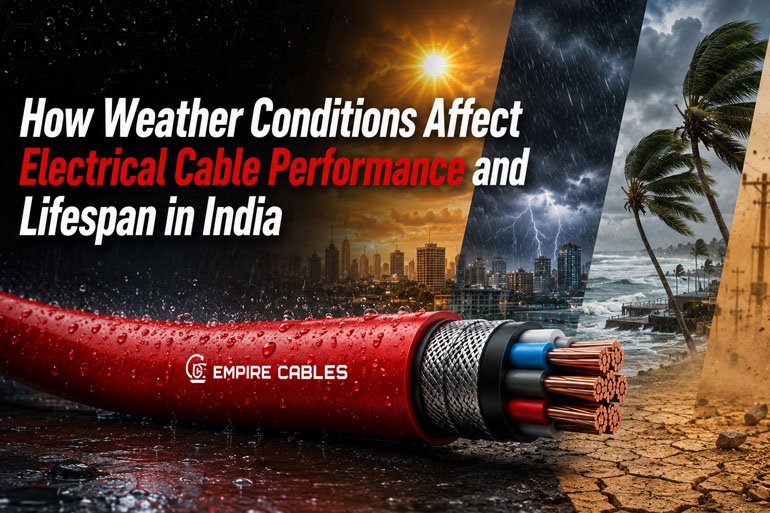
India’s weather varies from extreme heat in the summer to heavy rain during monsoons and freezing temperatures in some areas during the winter. All of these varying conditions have an immediate effect on electrical cable performance, electrical cable life and overall electrical safety. The selection of the appropriate electrical cable for the local climate is crucial for uninterrupted electricity transmission and cost-efficient maintenance.
High Temperature and Cable Performance
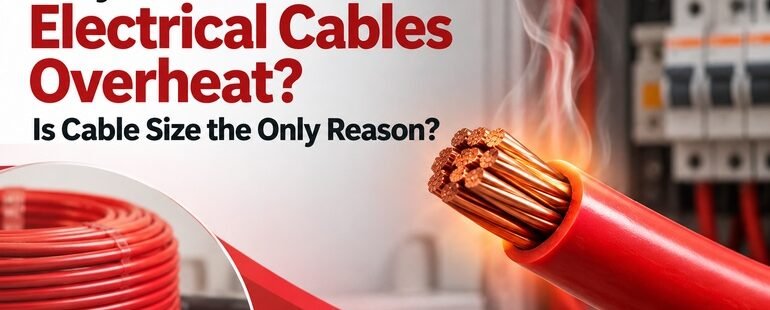
During summers, extreme heat is prevalent in various regions of India. When an electrical cable carries current, it becomes more resistive at high temperatures, which further increases the temperature. Exposing the electrical cable to heat over a long period will diminish the cable’s insulation properties, flexibility, and lifespan. For cables fitted in enclosed spaces or in direct sunlight, it is important to ensure the cable has the correct temperature rating for long-term operation.
Monsoon Moisture and Water Damage
Another challenge that affects the performance of electrical cable is heavy rain and high humidity. Water that penetrates damaged insulation or poorly sealed joints can cause corrosion, insulation failure and electrical leakage. Water also poses a risk of shorting out, so it is important to install and protect outdoor electrical systems.
Damage to Outdoor Electrical Cables by UV Exposure
Outdoor electrical cables are continually exposed to ultraviolet (UV) radiation year-round. The outer sheath is gradually damaged by long-term UV exposure, becoming less durable and more prone to cracking. Materials used in electrical cable construction that are resistant to UV can help limit cable ageing and make it more reliable for outdoor installations, particularly where strong UV radiation is present.
Cold Weather and Mechanical Stress
Though the climate in most parts of India is warm, the northern states have lower temperatures in winter. Electrical cable can become stiff and inflexible in cold weather. The brittle insulation can crack during installation or movement, and moisture can work its way into it. Wider-temperature-range cables ensure safe operation all year round.
Dust, Pollution and Chemical Exposure
In industrial areas, electrical cables may be subjected to dust, chemicals and air pollution. These environmental factors will slowly degrade insulation and protective coverings. Regular inspection, cleaning and the use of appropriate protective materials for cables help to enhance the performance of electrical cables and prevent unexpected failures.
Selecting Electrical Cables that are Resistant to Weather Conditions
The right type of electrical cable is determined by application, temperature, humidity, and exposure to the environment. Characteristics such as heat-resistant insulation, UV protection, moisture resistance and tough outer jackets help to lengthen the lifespan of electrical cable. Ongoing inspections and replacement of faulty cables further enhance safety and system performance.
By recognising the impact of weather on electrical systems, homeowners, businesses, and industries can make informed decisions. For people interested in various weather-resistant electrical cables and their applications, Empire Cable provides information on cable solutions for installing electrical cables safely and reliably in India across different weather conditions.
FAQs
1. How does hot weather affect electrical cables?
High temperatures increase cable resistance and generate more heat during operation. Over time, insulation weakens, flexibility decreases, and the electrical cable’s lifespan shortens if suitable heat-resistant cables are not used.
2. Why is moisture harmful to electrical cables?
Moisture can enter damaged insulation, causing corrosion, electrical leakage, insulation failure, and short circuits. Proper sealing and waterproof cable protection help maintain electrical safety during the monsoon season.
3. Do UV rays damage outdoor electrical cables?
Yes. Continuous exposure to sunlight can crack the outer sheath and reduce cable durability. UV-resistant electrical cables are designed to withstand prolonged outdoor exposure and last longer.
4. How can weather-resistant electrical cables improve performance?
Weather-resistant electrical cables are built with heat-resistant insulation, UV protection, moisture resistance, and durable outer jackets, helping them perform reliably under different environmental conditions across India.
5. How often should electrical cables be inspected?
Electrical cables should be inspected regularly, especially after extreme weather events. Routine checks help identify insulation damage, moisture entry, corrosion, or wear before they lead to serious electrical problems.