

How to Calculate the Right Wire Size for Your Home: Complete Electrical Load Guide
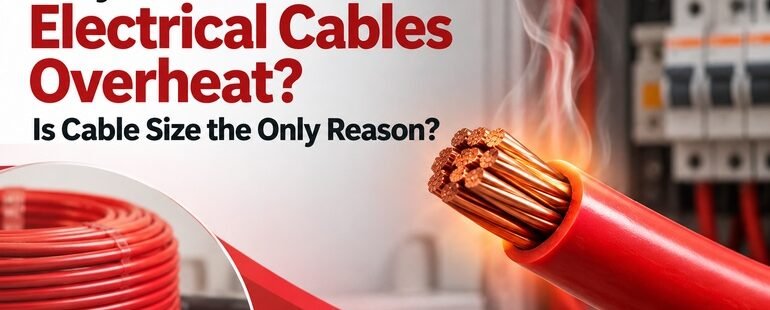
One of the most crucial components of a safe electrical system is selecting the proper-sized wire for your home. A wire that is not large enough to carry the electrical load may overheat, lose power and even be a fire hazard. Homeowners can use this electrical load-to-wire-size relationship to make informed decisions when planning new wiring or upgrades to existing circuits.
Why Wire Size Matters
Each electric wire is rated for a maximum current. The current is measured in amperes (amps). If the electrical load exceeds the wire’s capacity, the wire’s temperature will rise, damaging its insulation and reducing its safety.
Correct wire sizes will provide:
- The use of electrical equipment safely.
- Reduced energy loss
- Better voltage stability
- A longer life for the electrical system.Extended life of electrical systems.
- Meeting electrical safety requirements.
Step 1: Determine the Electric Load
The first step is to determine the total electrical load of a circuit. Calculate the sum of the wattages of every appliance and/or device that will be placed on the circuit.
For example:
- Refrigerator: 300W
- Microwave: 1200W
- Lighting: 500W
Total Load = 2000W
Use the formula to find the current:
Current (A) = Power (W) ÷ Voltage (V)
For a 230V supply:
2000 ÷ 230 = 8.7A
This indicates that the circuit will need a wire that can safely handle a higher amount of current than 8.7 amps.
Step 2: Think about the Length of Wire
The longer the wire, the greater the voltage drop, which will impact performance. The larger the distance, the larger the wire size might need to be to remain efficient and safe.
For short circuits around the house, standard wiring sizes are typically fine. However, voltage drop becomes relevant when using voltage in garages, outdoor spaces or upper floors of the building.
Step 3: Match Wire Size to the load
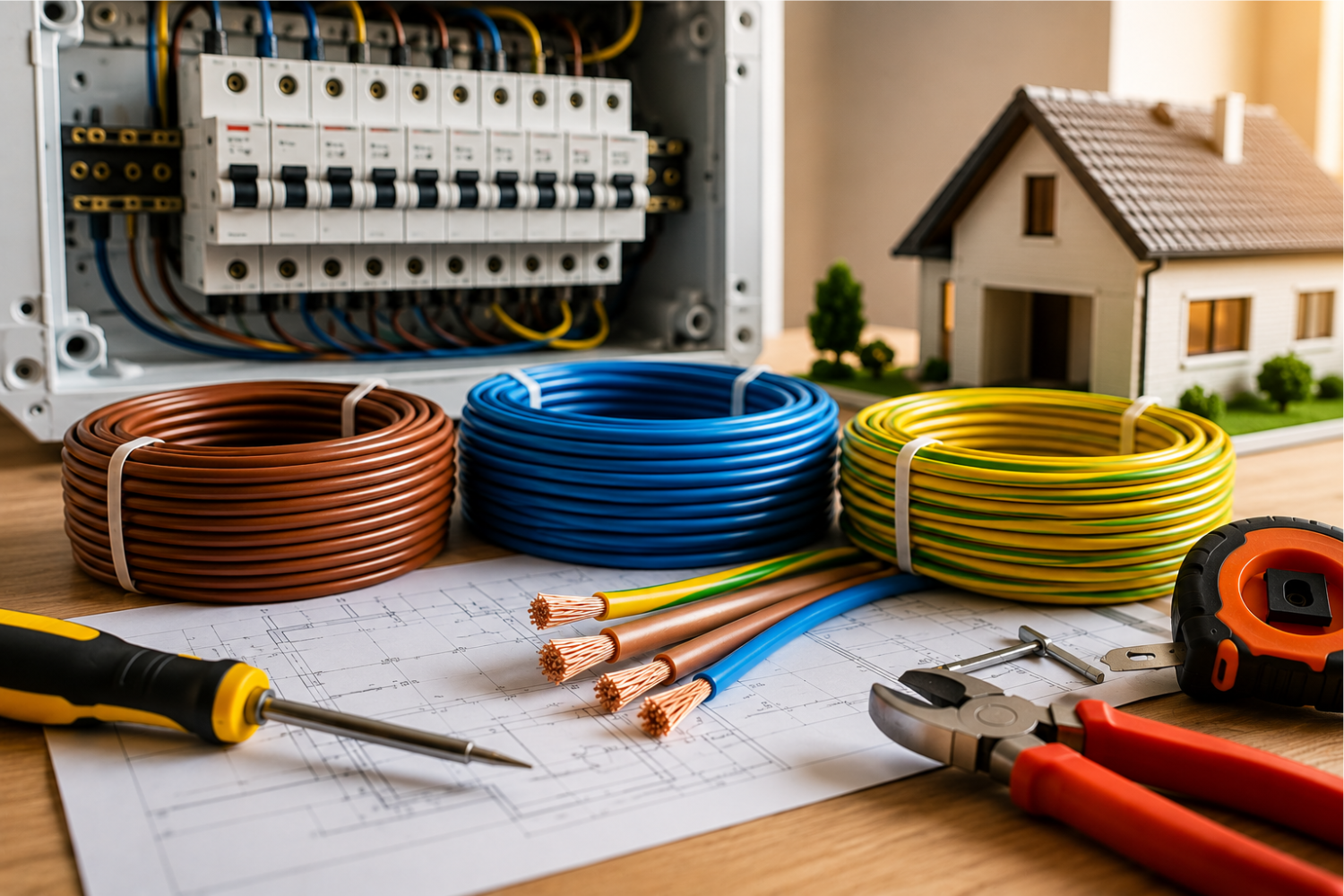
Empire Cables recommends the following guidelines for residential wiring:
- 1.5 sq mm wire: Lighting circuits.
- 2.5 sq mm wire: Socket outlets, small appliances
- 5 sq mm wire: Light electrical load circuits.
- Heavy appliances like air conditioners, geysers, and ovens require 6 sq mm wire or higher.
Local electrical codes and anticipated loads should always determine the final wire size.
The most frequent errors and how to prevent them.
A common mistake many people make when picking out wires is taking the cheapest ones. In the short term, it may appear to be a cost-saving measure to use the cheapest wires, but it could lead to higher repair costs and frequent tripping later.
Other frequent errors are:
- Forgetting to consider the expansion in the future load.
- Not taking the wire’s length into account.
- Using poor-quality conductors
- Overloading existing circuits
Conclusion
To determine the proper wire size, you need to understand the electrical load, current requirements, voltage, and the distance the wires will be installed. The right wire size in the home electrical system maximises safety, efficiency and reliability. If you want to know more about quality electrical wiring solutions and industry standards, Empire Cables offers information on today’s wiring needs and electrical safety guidelines.