
Why Quality Battery Cables Matter More in High-Load Backup Systems
Backup systems with high load are essential towards ensuring that operations continue even in those instances when power goes out. These systems are usually applied in hospitals, data centers, telecom facilities, factories, and commercial buildings where power failure is not acceptable. Although batteries and inverters receive most attention, another component that is necessary is usually ignored and this happens to be battery cables. The safety and efficiency of a backup system when subjected to heavy electrical loads is directly dependent on the quality of battery cable.
Knowledge about High-Load Backup Systems
Backup systems which are high load are expected to provide high levels of current within a limited period of time. In case of a power outage, the batteries should be able to provide power to equipment over a short period. This bursting action of current exerts enormous stress to cables. When the cables are not designed to handle high electrical loads, then the system may suffer power loss, overheat, or even fail altogether.
The Battery Cables in the Transfer of Power
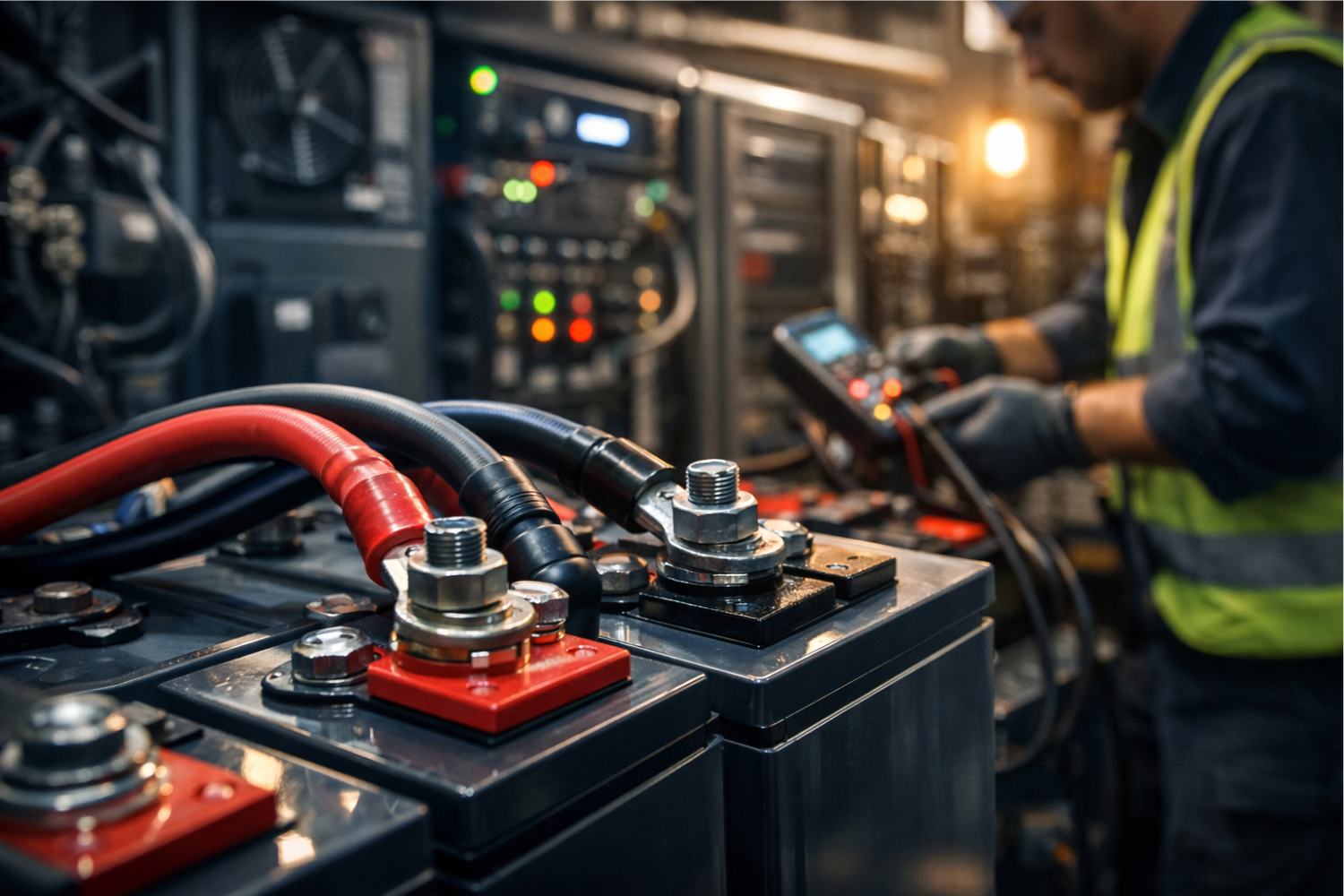
Battery cables serve as a channel by which the backup system connects to the battery. Cables of low quality create resistance to electricity thereby causing voltage drop and energy loss. A small resistance may cause a high current level to lower performance considerably. Well crafted battery cables are able to guarantee smooth flow of current, steady voltage and effective transfer of energy in the crucial times.
Low-quality Battery Cables have Safety Risks
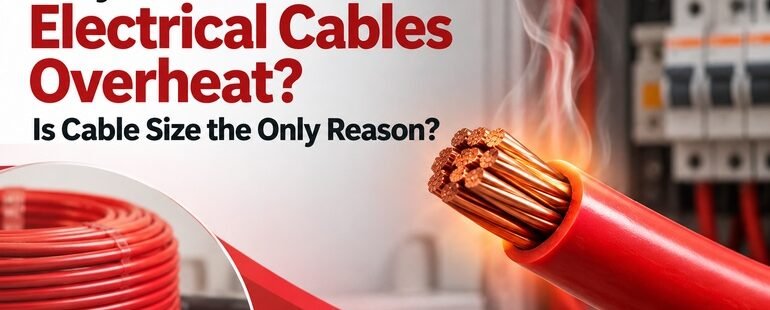
Overheating is one of the largest threats of big load-back up systems. Poor quality cables may contain low quality conductors or low insulation which is incapable of sustaining high current. This may lead to overheating, damage of insulation and in worst cases fire. Based on electrical safety research, a frequent cause of backup system failures is overheating due to small size or low quality cables. Proper use of cables minimises the chances of short circuiting and enhances safety of the system in general.
Durability and Reliability in the Long-term
Backup systems are supposed to be reliable over a number of years and usually they lie there until they are needed by an emergency. The corroding speed of low-quality battery cables is high, and they can crack during the changes in temperature or loosen when they are connected. The battery cables are pure copper conductors, well insulated and have secure terminals, which makes them withstand heat, vibration and repeated load cycles without any loss of performance.
Efficiency and Cost in the Long Term
It is true that quality battery cables can be rather expensive in the short term but they can save money in the long term. Efficiency of cables minimizes power losses, damage of equipments, and decreases maintenance. This reliability in high-load environments leads to a reduction in the number of system failures, the downtimes, and the battery life.
Conclusion
Battery cables in high load backup systems are not merely supporting elements and are of the essence in terms of safety, efficiency, and performance. The selection of the appropriate cable quality ensures the steady supply of power, minimizes the risk, as well as promotes long-term system reliability. This knowledge informs the technical design employed by Empire Cables that is configured to provide battery cables at the highest standard that meets the requirements of high-load backup systems and where the aspect of safety and reliability is considered critical.