
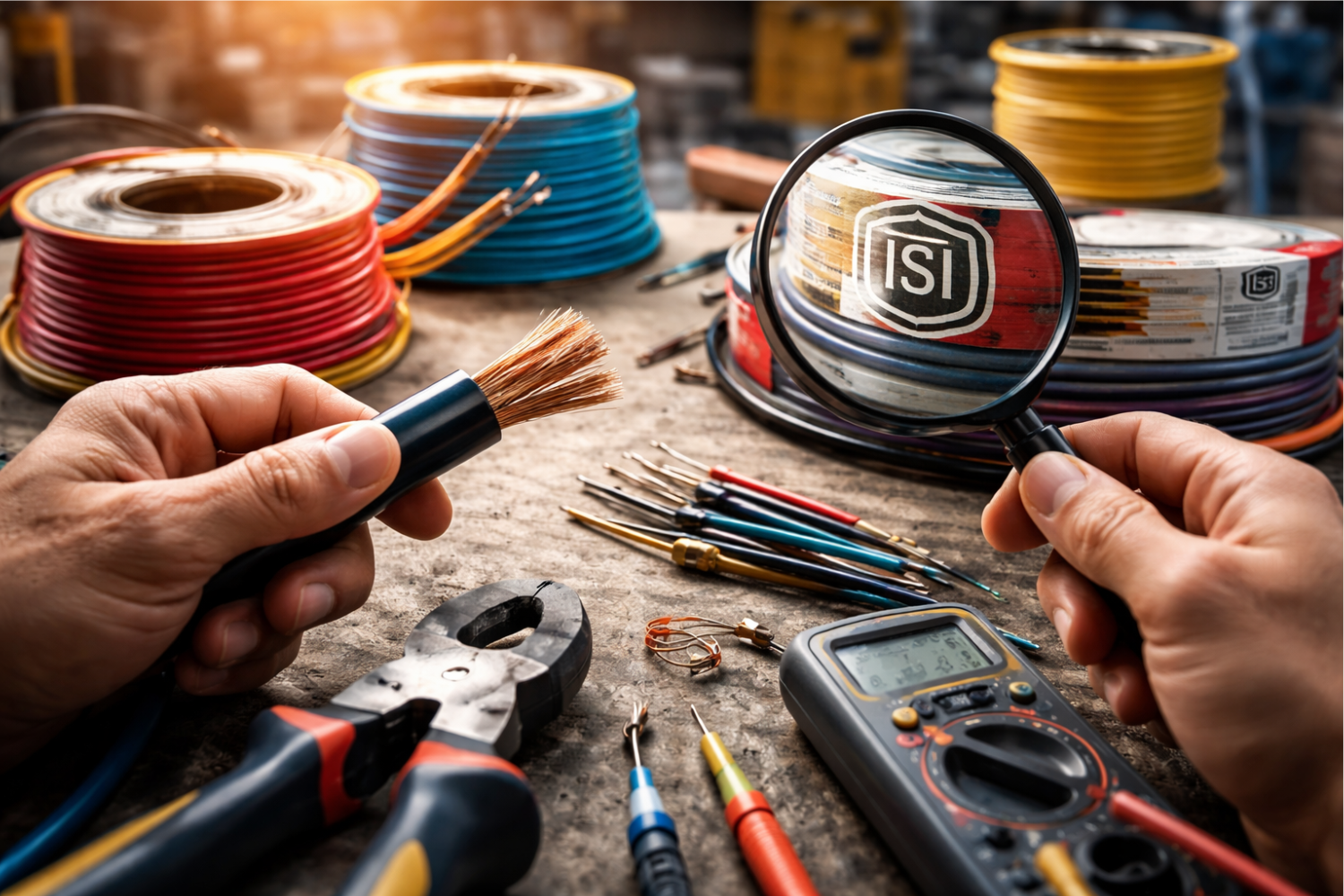
How to Identify Fake or Duplicate Electrical Wires in India: Simple Tests You Can Do Yourself
Any home or office is made up of electrical wiring. The fake or duplicate wires may cause severe dangers such as short circuits, fire risks, and frequent power failures. Stumbling over original wires may be a little confusing in India, where the markets are huge. The good news is that it is possible to detect fake electrical wires by taking several simple tests.
Why Fake Electrical Wires Are Destructive?
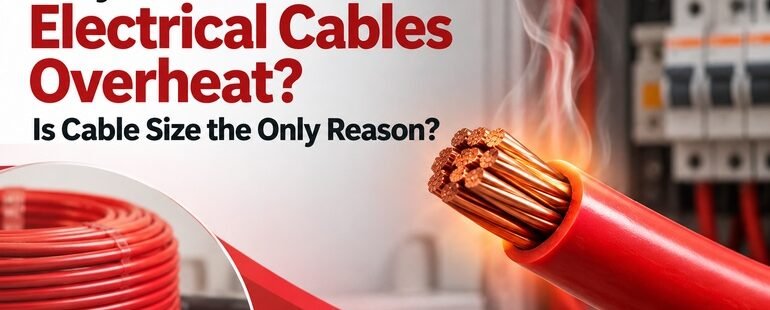
The low-quality materials are frequently used to make duplicate wires. They can resemble branded ones but are not insulated and conductive appropriately. It may lead to overheating, loss of power and even electrical fire. The safety reports indicate that one of the major causes of electrical accidents in the household is a result of bad wiring in India.
Check the Packaging Carefully
The packaging can be one of the simplest methods of identifying fake wires. Original wires are properly branded, printed, and contain all the information, including:
- ISI mark certification
- Manufacturer details
- Specifications and batch number.
Copies of products contain misspellings, scribbled words, or lost information. Where possible, always compare the packaging with the official design of the brand.
Find the ISI Mark.
The electrical wires in India are supposed to be ISI certified by the Bureau of Indian Standards (BIS). This sign guarantees the safety of the product. But not all counterfeit wires have the correct ISI mark, so ensure that it is printed, and not pasted or badly engraved.
Simple Copper Quality Test.
High-quality copper is shiny and flexible, and is used in good electrical wires. To test:
- Peel off a little of the wire.
- Note the color of the copper.
Copper that is pure will be reddish in color. Counterfeit wires are made of dull or mixed-colour metal, which is evidence of impurities or aluminium coating.
Check Flexibility and Check Thickness
Original wires are bendable and simple to bend without breaking. Fraudulent wires are likely to be stiff because of inadequate insulating material. Check thickness, too – even with outer covering appearing regular, duplicate wires can contain conductors that are thinner inside.
Complete a Simple Heat Test.
This is a simple at-home test. Delicately uncover a scrap of insulation to heat (as a matchstick flame). High quality wires will not burn or melt slowly, whereas fake wires can easily burst into fire or have a strong smell of plastic.
Check Weight and Price.
Original wires are usually of normal weight due to adequate copper content. When a wire becomes too light or is offered at a price that is too low to match market rates, it may be a fake. There are always good deals that are too good to be true.
Conclusion
It does not need any technical skills to identify fake electrical wires; all one needs is to carefully observe them and make some simple tests. By checking packaging, certification, copper quality, and flexibility, you can secure your home against possible hazards and guarantee a long duration of performance.
The selection of trusted and approved wiring systems is critical to the safety and effectiveness. Other brands, such as Empire Cables are preoccupied with quality and supplying reliable electrical products that fulfil the Indian safety standards.