
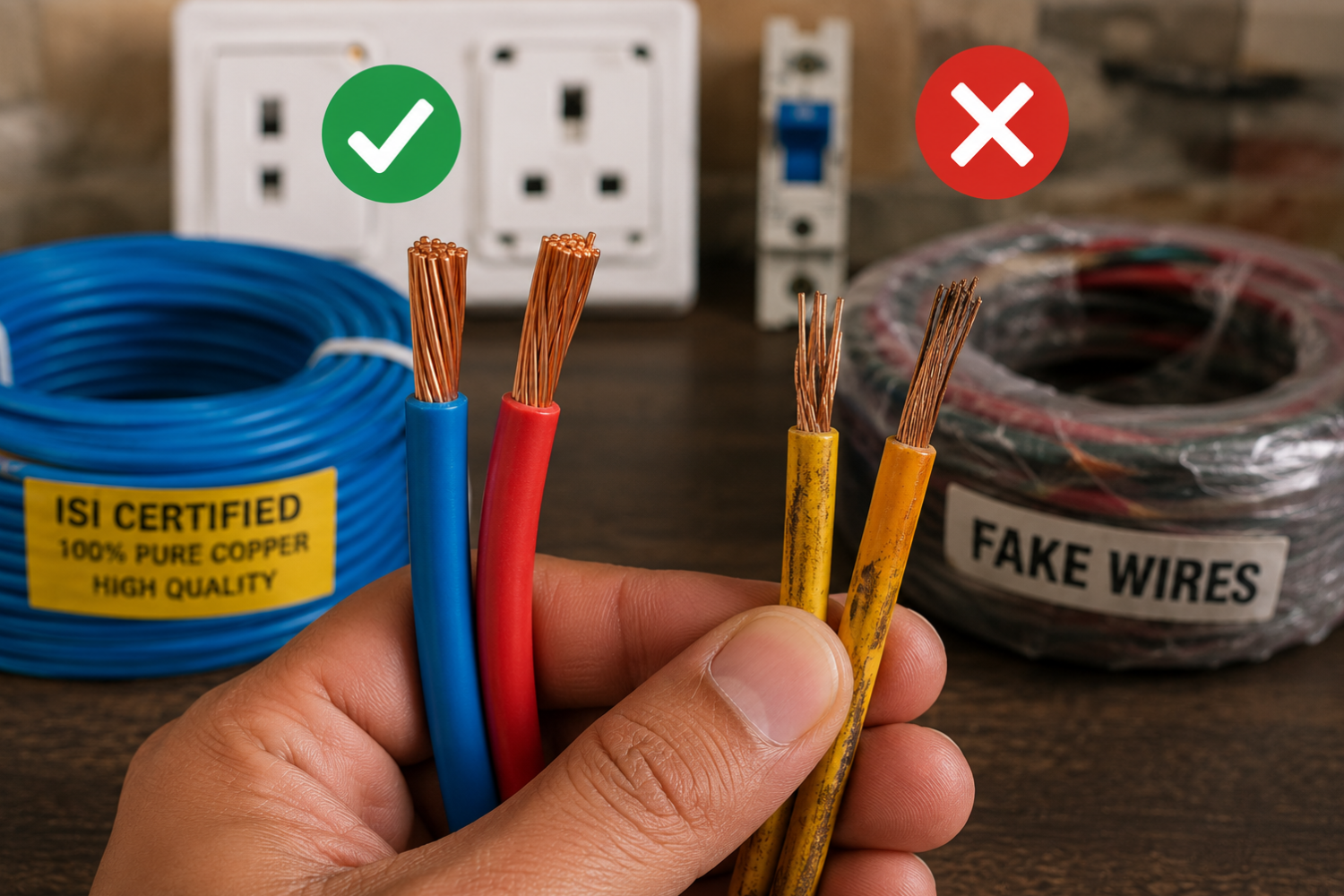
How Can You Identify Fake Electrical Wires in India?
One of the most essential components of any home, office or commercial establishment is the electrical wiring. Wiring ensures the safety of appliances and avoids short circuits and fire risk. In India, product duplication and low quality are rife in the market and are often marketed as original products. Consequently, many people are unaware that they have purchased fake wires and subsequently suffered safety concerns.
Look for ISI Mark & Certification
To identify fake electrical wires, the first thing to check is the ISI mark. Certified wires in India are normally based on the BIS standards. The packaging will clearly indicate details of the certification, batch number and manufacturing information if these are genuine products. If the print is not clear, faded or poorly designed, it may not be genuine.
Examine the Wire Thickness
Wires that are not real may not require as much copper as regular wires. This decreases the conductivity and causes heating issues. Original electrical wires are of a suitable thickness and weight for their size rating. Typically, thin or abnormally light wires are a bad sign.
The quality of the copper is important as well. Pure copper wires are bright reddish and have good bending properties. Sometimes identical products will be made from a combination of metals or poor-quality copper, which is easily broken when bent.
Check the Insulation Quality
The outer layer of insulation prevents the wire from coming into contact with heat, water and electrical leakage. Smooth, strong and evenly coated insulation is characteristic of genuine wires. Low-quality wires can be rough, too soft, or brittle.
Electrical fires in India often stem from overheating and damaged wiring, and good insulation is important. Several electrical safety reports indicate that defective wiring is one of the major causes of residential fire accidents.
Check the Brand Packaging
Original electrical wire manufacturers pay attention to the packaging of their products, printing, QR codes and labels are provided, and contact information is provided. When buying fake products, they may mimic the design but fail to include some of the finer details, like any spelling errors, fuzzy logos, or warranty information.
Always check the packaging for details when buying. You also have a reduced risk of purchasing fake products by buying from trusted dealers and authorised suppliers.
Test for Flexibility and Heat Resistance.
Good quality wires bend easily and are easy to install. Poor-quality metal can cause fake wires to become stiff after bending slightly. Heat resistance is another important consideration. The original wires are designed to safely carry electrical load without melting quickly.
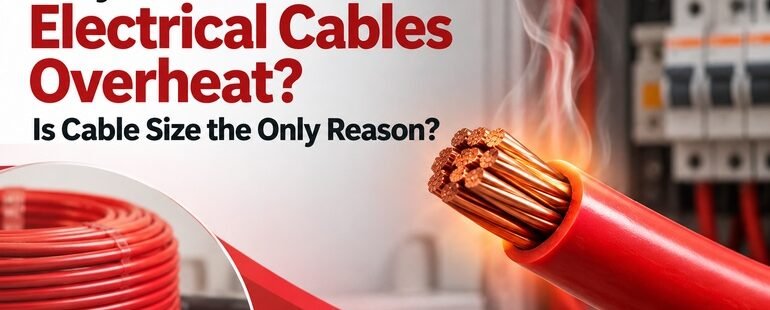
A fast heating rate during use can be a sign of an inadequate conductor or material.
Don’t buy those cheap products that are so cheap they are not worth the quality.
Another crucial indicator is the price. If a wire is being sold at a lot lower price than usual, it is likely to be fake. Whether for copper or insulation materials, good quality is expensive, and if a product is very low in price it should always be very carefully inspected before purchase.
Conclusion
When it comes to selecting the right electrical wire, it’s not just about performance; it’s about safety too. Buyers can avoid getting fake products in the Indian market by checking the certifications, quality of copper, insulation, packaging and price. If you want to learn more about electrical safety and quality standards in electrical wiring, Empire Cables provides helpful facts and industry expertise to help you understand high-quality electrical solutions.