
Understanding Power Backup Systems: Batteries, Inverters, and Energy Storage
India is still faced with power cuts in many areas. Whether at home and offices, hospitals and small industries, continuous power supply is necessary to ensure safety, comfort, and productivity. It is at this stage that power backup systems will be important. Knowing the interaction between batteries, inverters, and new energy storage systems will enable users to be able to make sound decisions and make better use of electricity.
What Is a Power Backup System?
A backup power system is introduced to provide electricity in case the primary source of power goes off. It makes sure that all the necessary appliances, lighting and equipment work through the outages. In essence, the system will be comprised of a battery to store power, an inverter that transforms the power, and appropriate wiring to help in the distribution of electricity in a safe manner. These are very common systems in residential and commercial areas.
Use of Batteries in Power Backup
Any backup solution relies on batteries. They are electrical storage devices that release the electricity on demand. Lead-acid batteries were traditionally widespread, however, nowadays lithium batteries become popular in India. Lithium-type batteries have also been found to charge faster, exhibit longer life cycles and are more efficient in terms of energy usage as compared to the conventional ones.
Storage capacity is calculated in amperes hours (Ah) determining the duration of the backup. As an example, a bigger battery will be capable of supplying essential power such as fans, lights, and routers, among others, during a power outage.
How Inverters Work?
The stored energy is converted to electricity that can be utilized using inverter. The power is stored in a battery in the form of direct current (DC) although the majority of home appliances utilize alternating current (AC). The inverter converts DC to AC, hence it is usable.
Inverters of the modern generation are smarter and more efficient. Specifications are the most common feature that many users look at when deciding on the best inverter company in India based on aspects such as the quality of output, power consumption, safety measures and being compatible with other types of batteries.
Learning about Energy Storage Systems
Batteries, inverters and control units are all built in a single system to form energy storage systems. These are systems that are in charge of charging, discharging and distribution of loads. The more sophisticated installations can even give precedence to essential appliances when there are prolonged outages.
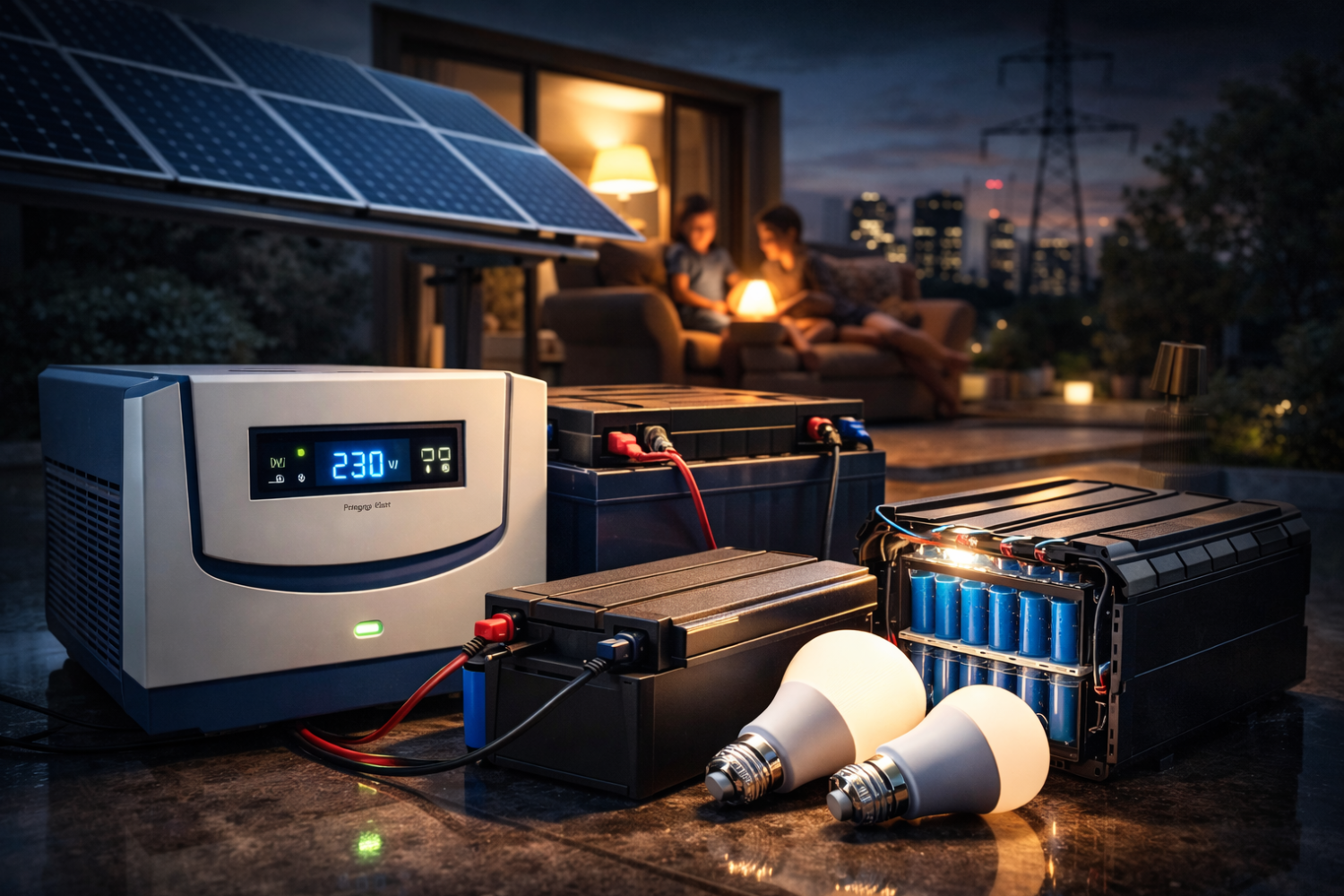
The development of energy storage is also being connected with solar systems with the emergence of renewable energy. The stored power is applicable during the night or the grid outages and thus avoids the reliance on traditional sources of electricity and lowers the energy expenses in the long term.
Conclusion
No longer power backup systems are a luxurious thing to have but a necessity. Knowing about batteries, inverters, and energy storage, users will be able to select the efficient, safe, and appropriate systems. Trustworthy infrastructure, in conjunction with smart decisions, will guarantee regular power supply and cost reduction in the long term. Companies such as Empires Cables, which are part of the space of the most successful electrical company in India, play their role in enhancing the stability of power due to quality wiring solutions that facilitate effective use of energy and reliable backup systems in the broader electrical ecosystem.