
What is the Difference Between Solar Cables and Regular Wires?
In homes, offices, factories and farms, solar power systems are gaining popularity. As more and more people migrate to solar energy, they also want to know what components are used in a solar setup. One of the most important components of the solar system is the cable. Many people consider solar cables and regular electrical cables to be the same, but they have different uses.
Understanding Solar Cables
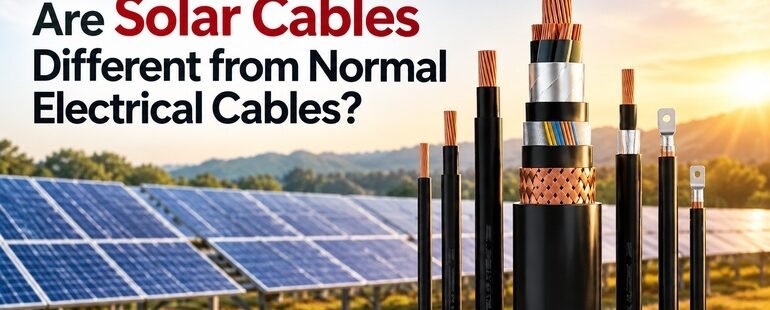
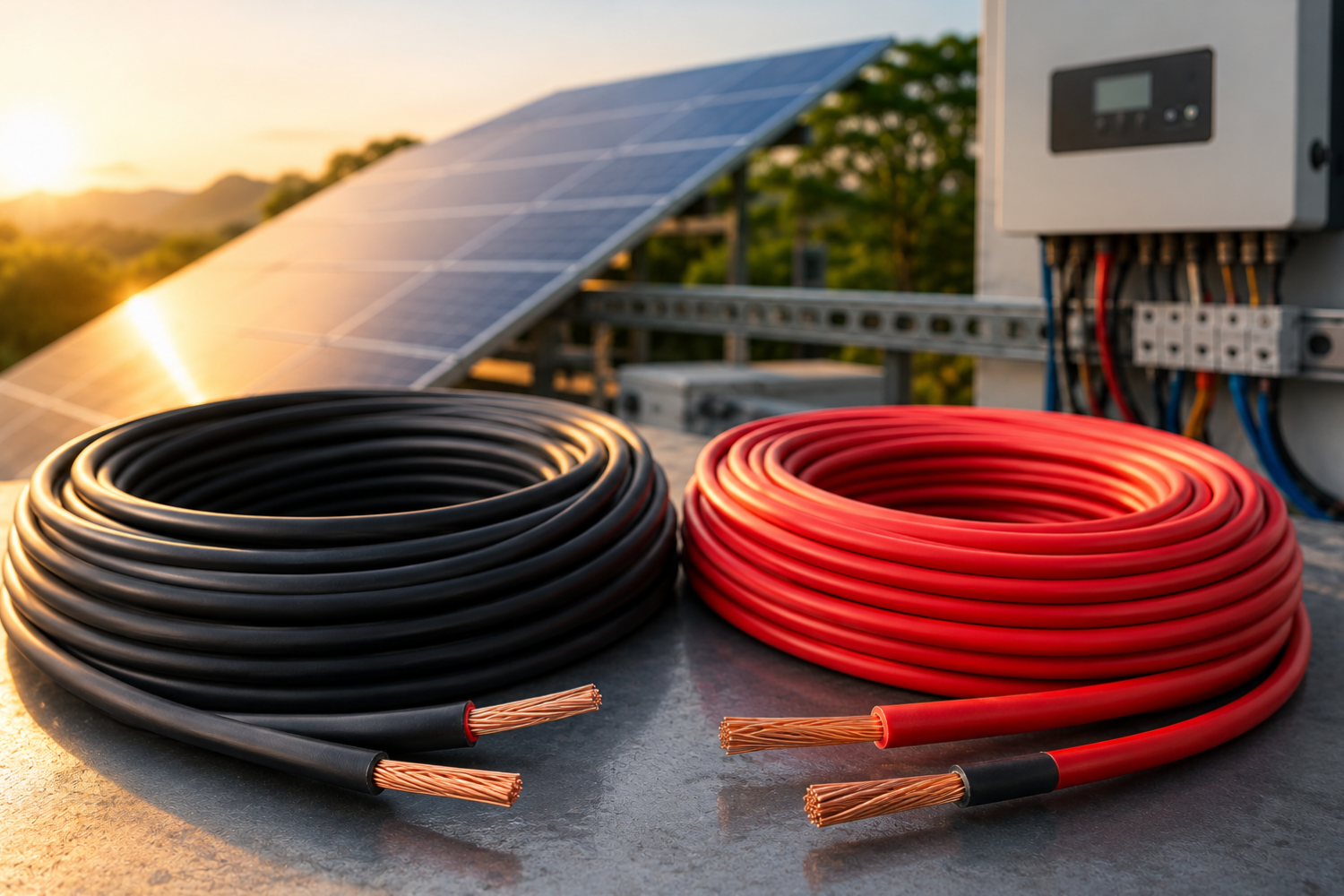
Solar cables are cables that are specifically designed for use in solar power systems. These cables are used to connect the solar panels, inverters, batteries, and electrical components. Because solar systems are typically located outdoors, the cable needs to be exposed to the elements: the sun, heat, rain, dust and changing weather for many years.
The majority of solar cables are constructed with tough insulation and protective layers that enable them to withstand extreme outdoor conditions. They also provide safe and efficient transport of direct current (DC) electricity.
How do Regular Wires work?
The common wires that are used in homes and buildings are called regular wires. They are primarily used indoors and are powered by alternating current (AC) electricity. These wires are perfect for fans, lights, televisions, and other household appliances.
But solar installations don’t always require regular wires since they are not designed to endure high outdoor temperatures or moisture for extended periods of time, nor do they have to face direct sunlight all day and all night.
Difference Between Solar Cables and Regular Wires
1. Weather Resistance
The most significant difference is durability. Solar cables are resistant to UV and can withstand heat, rain, and harsh weather. If left in direct sunlight for extended periods of time, regular wires can crack or weaken.
2. Current Type
Solar systems typically operate on DC power with solar panels and inverters. Special cables have been designed for this purpose and are called solar cables. Inside buildings, a standard type of wiring is used for the AC power.
3. Insulation Quality
In most cases, solar cables are double-insulated for added protection and safety. This helps to minimise the chances of electric leakage and enhances the performance for long-term use. Usually, the insulation of regular wires is simpler as they are mainly used inside.
4. Lifespan
The typical life of a solar cable system is comparable to that of a solar panel system, over 25 years. For such an extended period of time outdoors, regular wires will not work too well.
Why is it important to pick the right cable?
The incorrect choice of wire in a solar system can have detrimental effects on efficiency, safety, and more. Wires of poor quality or improper size can cause overheating, power loss, or damage to the entire system. Industry research has shown that the right cable choice can lead to higher energy efficiency and lower maintenance costs in the long run.
Conclusion
Solar cables and wires are similar in appearance but have different functions. Solar cables are specially designed for outdoor solar applications, with durability and long-term safety. Standard electrical wiring is well-suited for the internal wiring requirements of a building, but might not perform well in solar installations.
Empire Cables remains committed to providing quality electrical solutions and information for solar applications that are reliable, safe and meet the current electric power needs.